Why Humid Weather Is Actually Perfect for Interior Painting in Brisbane
Steve
- posted on
- No Comment
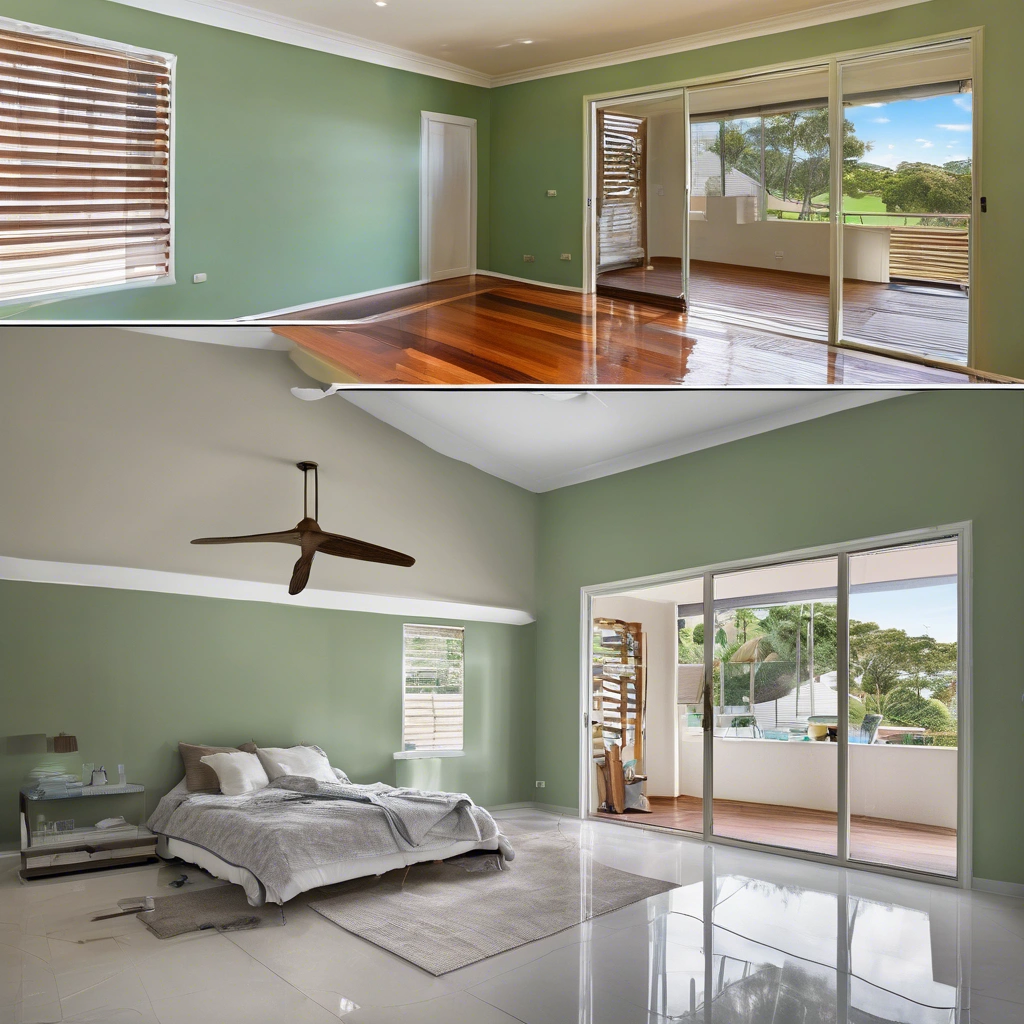
Humid weather often discourages Brisbane homeowners from tackling interior painting projects. However, contrary to popular belief, humidity inside your home can actually create ideal conditions for a flawless paint finish.
Many painters Brisbane-wide will tell you that interior painting during humid periods offers surprising benefits. Although outdoor painting certainly suffers in Brisbane’s subtropical climate, indoor environments provide controlled conditions where humidity can improve paint flow and adhesion. In fact, slightly damp air can prevent paint from drying too quickly, allowing for smoother application and fewer visible brush marks.
This guide explores why Brisbane’s humid weather isn’t the painting obstacle you might think it is. We’ll examine how indoor humidity differs from outdoor conditions, the unexpected advantages of painting in humid weather, and practical tips to ensure your interior painting project succeeds regardless of what’s happening outside your windows.
Why Brisbane’s Humid Climate Isn’t a Problem Indoors
Brisbane’s subtropical climate presents unique challenges for painting projects. While locals often view humidity as an enemy of fresh paint, the interior of your home creates a microclimate that’s surprisingly conducive to quality paintwork.
Understanding Brisbane’s subtropical weather
Brisbane experiences a classic subtropical climate with warm, humid summers and mild, drier winters. Throughout most of the year, outdoor humidity levels typically hover between 60-70%. These levels often spike during summer months when afternoon storms roll in, sometimes reaching upwards of 80%.
The city’s proximity to the coast contributes to this moisture-laden air, creating conditions that make exterior painting particularly challenging. Professional painters Brisbane residents rely on know that outdoor humidity affects paint in three main ways: it slows drying time, can trap moisture under the paint film, and sometimes prevents proper adhesion.
Nevertheless, these outdoor challenges don’t necessarily translate to indoor painting difficulties. The distinction between these environments is crucial to understanding why interior painting remains viable year-round.
How indoor environments differ from outdoor conditions
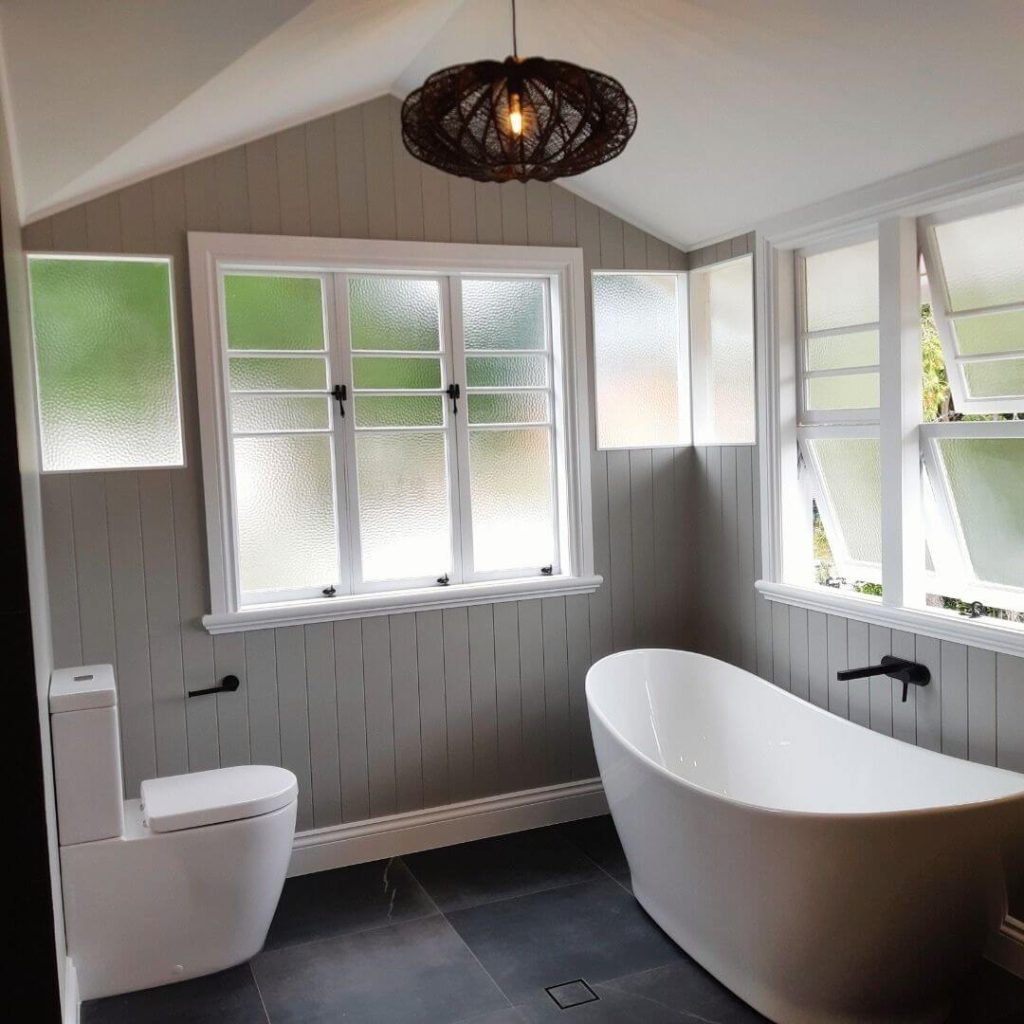
Image courtesy Brisbane painters – Qpaint Pty Ltd
Step inside a Brisbane home, and you’re entering an entirely different environment from the sticky outdoors. Modern homes feature several elements that fundamentally alter atmospheric conditions:
- Air conditioning systems that regulate both temperature and humidity
- Insulation that creates a barrier between indoor and outdoor air
- Building materials that absorb and release moisture at different rates
- Windows and doors that, when closed, prevent direct exposure to humid air
Moreover, indoor spaces aren’t subject to direct sunlight, rainfall, or dramatic temperature fluctuations that outdoor surfaces experience. These factors create a more stable environment for interior painting projects, where conditions can be controlled and adjusted as needed.
Why humidity is more manageable inside
Within your home, you possess significant control over environmental conditions that affect paint application. This control makes humidity far more manageable for several reasons:
Firstly, modern air conditioning systems do more than cool the air—they actively remove moisture. A standard air conditioner can reduce indoor humidity by 15-20% compared to outdoor levels, creating a much more paint-friendly atmosphere.
Secondly, indoor spaces allow for strategic timing. You can schedule your painting during the coolest parts of the day when humidity naturally decreases, regardless of outdoor conditions.
Thirdly, you can employ targeted solutions like dehumidifiers in specific rooms being painted. These devices can further reduce moisture levels in the immediate painting area without needing to modify conditions throughout the entire home.
Additionally, indoor painting eliminates other variables that plague outdoor projects, such as pollen, dust, and insects that can become trapped in drying paint. This controlled environment means your paint job remains pristine throughout the drying process.
Unlike the outdoors where painting during humid periods is genuinely problematic, indoor painting projects can proceed with minimal issues when the right techniques and equipment are employed. The key difference lies in your ability to create and maintain ideal conditions despite whatever weather Brisbane is experiencing outside your windows.
How Humidity Can Actually Help Interior Paint
Contrary to what many homeowners believe, controlled humid weather conditions can create optimal environments for interior painting projects. Professional painters Brisbane residents trust understand that modest humidity levels inside your home offer several surprising advantages for achieving a flawless finish.
Slower drying means fewer brush marks
One of the most significant benefits of painting in slightly humid conditions is the extended drying time. When humidity levels are moderate, water-based paints evaporate more slowly, giving the paint more time to settle naturally. For most paints, relative humidity between 40-70% provides ideal drying conditions 1.
This slower drying time proves especially beneficial when working with larger wall surfaces. As the paint remains workable for longer periods, you can:
- Blend adjacent areas more seamlessly
- Make corrections while the paint remains wet
- Achieve a more uniform appearance across the entire surface
Importantly, when paint dries too quickly in extremely dry conditions, it can lead to pronounced brush marks that remain visible after the paint has cured 1. The modest moisture content in humid air prevents this rapid drying, allowing the paint to level itself naturally before setting.
Improved paint adhesion on certain surfaces
The relationship between humidity and paint adhesion is complex yet crucial for long-lasting results. Controlled humidity creates conditions where paint can form stronger bonds with certain surfaces, especially porous materials like untreated wood or plaster.
A moderate amount of moisture in the air helps prevent what painting professionals call “flash drying”—where the outer layer of paint dries before the paint can properly penetrate and adhere to the surface. Consequently, slightly damp air allows the paint to maintain better contact with the substrate during the critical initial bonding phase.
Furthermore, some water-based paints are specifically formulated to cure through a process that benefits from modest humidity levels. These formulations create stronger chemical bonds in the presence of controlled moisture, resulting in a more durable finish that resists peeling and cracking over time.
Better flow and levelling of paint
Perhaps the most visible advantage of painting in humid conditions is the improved flow and levelling characteristics. Paint applied in environments with appropriate humidity levels tends to spread more evenly across surfaces.
This enhanced flow occurs because humidity affects the paint’s viscosity—or thickness—during application. When moisture is present in the air, the paint maintains optimal consistency for longer, allowing it to:
- Self-level more effectively, reducing roller marks
- Fill in minor surface imperfections naturally
- Create a more uniform sheen or finish
Paint additives and reducers designed for humid conditions can further enhance these benefits. These products allow you to fine-tune the drying speed and film characteristics based on your specific interior environment 2.
Given that high humidity slows the evaporation process, the paint remains in a semi-liquid state longer, giving gravity and surface tension more time to pull the paint into a perfectly smooth surface. The result is a professional-looking finish with minimal effort—something every DIY painter appreciates.
The key lies in balance—too much humidity (above 70%) can prevent proper drying and lead to adhesion problems 1, yet the controlled humid conditions typical of Brisbane homes’ interiors often fall within the perfect range for optimal paint application.
Best Times of Year for Interior Painting in Brisbane
Timing is everything when planning interior painting projects in Brisbane. The subtropical climate offers various painting windows throughout the year, with each season bringing distinct advantages for achieving professional results.
Autumn: Mild and stable conditions
Autumn stands out as the premier season for interior painting in Brisbane. From March through May, the city experiences ideal conditions with temperatures ranging between 15-25°C accompanied by significantly reduced humidity levels 3. These mild temperatures create the perfect environment for paint application and drying.
What makes autumn particularly advantageous is the stability of weather patterns. The season features minimal temperature fluctuations and reduced rainfall compared to summer months, allowing paint to cure evenly 3. Professional painters Brisbane homeowners trust often recommend autumn for several reasons:
- More consistent drying times across different rooms
- Reduced risk of blistering or peeling due to lower humidity
- Optimal flow and adhesion properties of most paint formulations
Indeed, autumn provides that sweet spot where conditions align perfectly with paint manufacturers’ recommendations for application temperatures (15-30°C) and humidity levels (below 70%) 3.
Winter: Low humidity and less disruption
In contrast to popular belief, winter (June-August) offers excellent conditions for interior projects. With average temperatures between 11-21°C and humidity averaging around 50% 3, Brisbane’s winter creates a dry, stable environment that many professional painters prefer.
The lower humidity levels help paint dry uniformly, substantially reducing the risk of common problems like blistering or peeling 3. As a bonus, winter painting projects tend to cause less disruption to household routines since families typically spend more time away from home during daylight hours.
One practical consideration for winter painting involves planning around shorter daylight hours. Projects should ideally commence early in the day to maximise natural light 3. Additionally, overnight temperatures should be monitored as paint requires sufficient drying time between coats—yet this careful timing often results in quicker overall completion than summer projects 3.
Why summer isn’t as bad indoors
Essentially, while summer presents challenges for exterior painting, interior projects remain entirely feasible during Brisbane’s warmer months. Though conventional wisdom suggests avoiding painting in December through February, the controlled environment inside your home makes summer painting more practical than you might expect.
Air conditioning systems simultaneously manage both temperature and humidity levels, creating conditions where paint can properly adhere and dry. Professional painters Brisbane residents rely on typically adjust their work schedules during summer, starting earlier in the morning to complete the bulk of application before the day’s peak heat 3.
For summer painting projects, proper ventilation becomes especially important—not just for drying but also for dispersing paint fumes 4. With strategic timing and environmental controls, summer interior painting can yield results comparable to those achieved in more traditionally favourable seasons.
Ultimately, while autumn and winter represent the theoretical ideal for interior painting in Brisbane’s humid weather, modern climate control systems have extended the painting calendar year-round.
Tips for Painting Indoors During Humid Weather
Mastering the right techniques makes all the difference when painting interiors during Brisbane’s humid weather. Rather than postponing your project until drier days, you can achieve excellent results by implementing strategic approaches to manage moisture levels indoors.
Use of fans and dehumidifiers
Controlling ambient moisture is crucial for paint adhesion and drying. The ideal humidity level for indoor painting sits between 40% to 60% 5. When Brisbane’s subtropical climate pushes indoor humidity beyond this range, dehumidifiers become invaluable tools. Place a dehumidifier in the room at least a few hours before you begin painting to reduce moisture content significantly 6.
Strategic fan placement creates airflow patterns that help paint dry evenly. Position fans to pull humid air out while pushing drier air across freshly painted surfaces. A ceiling fan set to rotate clockwise distributes air throughout the room most effectively 6. For larger spaces, consider multiple fans creating cross-currents that prevent moisture from settling on painted areas.
Choosing the right time of day
Morning hours after sunrise offer optimal conditions for interior painting. Wait until the sun has been up for an hour or two, allowing overnight condensation to evaporate before you begin 7. This timing provides the longest window for paint to dry before evening humidity rises again.
Mid-morning to early afternoon typically presents the most stable conditions, as temperatures remain consistent and humidity levels are at their daily low point 5. According to expert Seth Miles, choose days when humidity stays under 60% for best results 8. If you’re working during Brisbane’s more humid months, start early and aim to complete application before afternoon humidity increases.
Selecting humidity-tolerant paints
Water-based paints like latex and acrylic outperform oil-based options in humid weather, drying faster and proving less susceptible to moisture-related issues 8. For bathrooms, kitchens and laundries—spaces naturally prone to higher humidity—select products specifically formulated with mould inhibitors, such as Dulux Wash&Wear Kitchen & Bathroom 9.
Semi-gloss or high-gloss finishes create hard surfaces that resist moisture penetration, making them ideal choices for humid environments 7. Additionally, apply thinner coats rather than thick layers, as they dry more quickly even when humidity levels are elevated 10.
Ensuring proper ventilation
Proper airflow serves two critical purposes: it helps paint dry correctly and ensures safety by dispersing fumes. Open windows on opposite sides of the room whenever possible to create cross-ventilation that efficiently removes moisture-laden air 1.
In addition to facilitating drying, adequate ventilation prevents the concentration of potentially harmful paint fumes. Without sufficient air circulation, these fumes can cause respiratory irritation, headaches, and dizziness 7. For interior spaces lacking natural ventilation options, combining exhaust fans with portable fans creates artificial airflow patterns that achieve similar results.
When humidity levels remain exceptionally high, running your air conditioning system simultaneously with fans can lower indoor moisture levels by 15-20%, creating significantly more favourable painting conditions 8.
Common Mistakes to Avoid When Painting in Humidity
Even experienced DIY painters make critical errors when tackling projects in Brisbane’s humid weather. Understanding these common pitfalls helps ensure your interior painting project succeeds regardless of moisture levels.
Skipping surface prep
Many homeowners rush straight to painting without proper preparation, yet this shortcut leads to significant problems in humid environments. Moisture encourages mildew, dust, and chalky residue buildup, especially in bathrooms and kitchens 11. Before applying paint, thoroughly clean walls with mild detergent, treat mildew-prone areas with specialised cleaners, and ensure surfaces are completely dry 12. Remember that moisture content should not exceed 12% for optimal results 12. Fill cracks and sand rough patches to create a smooth foundation 11. Skipping these steps often leads to bubbling, peeling, or uneven texture as paint fails to bond properly with the surface.
Using the wrong type of paint
Selecting appropriate paint formulations makes all the difference in humid conditions. Water-based paints dry through evaporation and can be significantly affected by high humidity, whereas oil-based options dry through oxidation, potentially offering better performance in damp conditions 2. For moisture-prone areas:
- Choose mildew-resistant formulas specifically labelled for high-humidity environments
- Opt for acrylic latex paints that dry faster than oil-based alternatives
- Select semi-gloss or high-gloss finishes that resist moisture penetration 11
Ignoring room temperature and airflow
Proper environmental conditions substantially impact paint performance. Cold temperatures slow curing and invite sagging, whilst most paints aren’t designed to cure below 10°C 3. Maintain steady room temperatures between 18°C–25°C for consistent results 3. Poor ventilation traps humidity and volatile compounds, resulting in patchy drying, uneven tones, and potentially harmful fume buildup 3. Use fans strategically to create balanced airflow without generating dust 3. Following manufacturers’ guidelines regarding ideal temperature and humidity conditions helps avoid long-term issues like peeling and mildew 4.
Conclusion
Brisbane’s humid climate need not postpone your interior painting projects after all. Throughout this guide, we’ve debunked the common misconception that humidity automatically ruins paint jobs. Actually, controlled indoor environments offer surprisingly favourable conditions for achieving professional results regardless of outdoor weather.
The benefits of painting indoors during humid weather remain clear—slower drying times lead to fewer brush marks, better adhesion occurs on certain surfaces, and paint flows more smoothly across walls. These advantages create opportunities for flawless finishes that might otherwise prove difficult in extremely dry conditions.
Timing certainly matters when planning your project. Autumn presents ideal conditions with its mild, stable weather, while winter offers less disruption and naturally lower humidity levels. Summer projects succeed perfectly well indoors when you implement proper environmental controls and ventilation strategies.
Success depends largely on preparation and technique. Fans and dehumidifiers control moisture levels effectively, while choosing humidity-tolerant paints ensures durability. Thorough surface preparation prevents future problems, and maintaining proper airflow helps paint cure correctly.
The next time Brisbane’s humidity rises, remember—your interior painting project can still move forward. Armed with the right approach, tools, and understanding of how humidity affects paint application, you’ll achieve beautiful, long-lasting results regardless of what the weather forecast predicts. Professional painters Brisbane-wide have long understood this reality, and now you can confidently tackle interior painting projects any time of year.
References
[1] – https://www.painternearme.com/exterior-painting/painting-humid-climates
[2] – https://advancepainting.com.au/humidity-paint-drying-sydney/
[3] – https://mipainting.com.au/does-weather-affect-the-best-time-to-paint-house-interior/
[4] – https://www.bhg.com/painting-inside-humidity-8707946
[5] – https://alldistricts.com.au/when-is-the-best-time-of-year-for-interior-exterior-painting/
[6] – https://www.vanderkolkpainting.com/how-to-dry-paint-in-high-humidity-expert-tips
[7] – https://spainting.com.au/the-dos-and-donts-of-painting-in-humid-weather/
[8] – https://www.homesandgardens.com/solved/can-you-paint-a-house-in-humidity
[9] – https://www.dulux.com.au/paint/wash-and-wear/?srsltid=AfmBOopeWPAhPeoJNDy-uV6Osc_AFiz4GDld59Yjm1fhDkv7_7ojHSuO
[10] – https://imagepainting.com/2023/08/23/things-to-know-about-humidity-and-painting-indoors/
[11] – https://www.paintcorps.com/blog/painting-mistakes-to-avoid-in-humid-climates/
[12] – https://www.zinssereurope.eu/how-to/how-to-paint-surfaces-exposed-to-high-humidity
